A green backup job is not a recovery decision. It is a copy with a timestamp.
That distinction matters during ransomware recovery because the latest copy may be the wrong copy. The restore point might include encrypted files, staged malware, altered scripts, or data that was changed before the encryption event became obvious.
The useful question is narrower: which recovery point can the team restore without bringing compromised state back into production?
If you map the program to NIST CSF 2.0, RECOVER is not just a box for turning systems back on. It sits in the same risk loop as identify, protect, detect, respond, and govern. NIST SP 800-184 is useful for the same reason: it pushes teams to prioritize resources and test recovery plans before the incident, not while everyone is waiting on the bridge call.
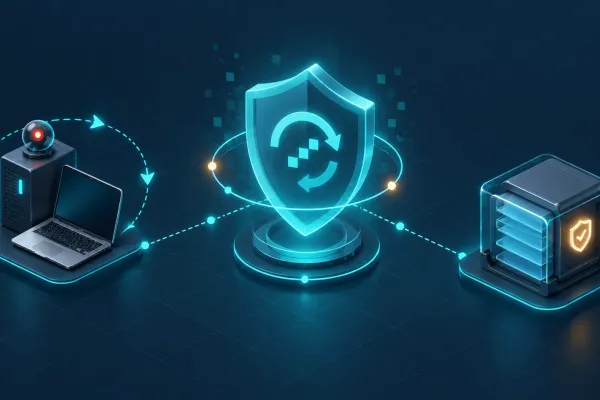
Recoverable copy = backup availability + ransomware-free evidence + tested restore path.
Doesn’t AWS Backup Vault Lock already protect my backups?
Immutability answers one important question: can this recovery point be altered or deleted during the retention window?
It does not answer the ransomware question: was the data already bad when the copy was written?
AWS Backup Vault Lock can deny deletion or lifecycle changes in a locked vault, including attempts by highly privileged users, according to the AWS Backup Vault Lock documentation. That is valuable protection against backup destruction. It is not a data integrity verdict.
Locking a vault after encrypted or tampered data has already been written can give the team a protected archive of recovery points it cannot use. The retention control did its job. The recovery plan still fails.
MITRE ATT&CK tracks ransomware and destructive behavior that interferes with recovery, including deleting shadow copies, disabling recovery features, and removing backup catalogs under Inhibit System Recovery. That is why immutable and isolated copies matter. It is also why they are incomplete on their own.
Data resilience has to survive the recovery call
Data resilience is not a slogan. In a ransomware event, it means the team can identify the data needed to resume the business, protect it from destructive actions, validate whether it is clean, restore it through a tested path, and explain the decision afterward.
CIS Control 11 gets close to the operational standard: recovery should return assets and data to a pre-incident and trusted state, with documented processes, protected recovery data, and recovery testing in CIS Control 11: Data Recovery.
The hard part is dependency detail.
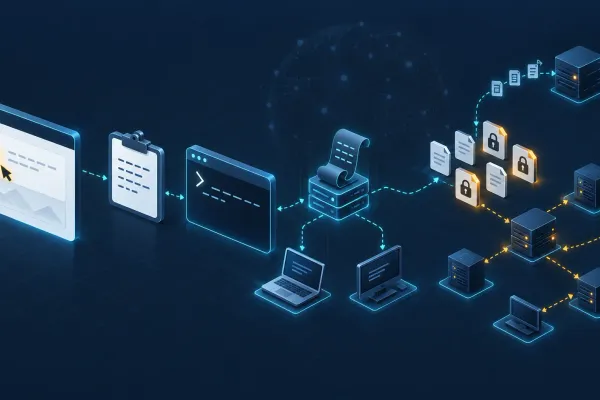
A database can restore cleanly and still not bring the application back. The service account may be untrusted. DNS may not be ready. Certificate services may be stale. A batch job or integration queue may be the real blocker. None of that shows up in a backup success dashboard.
AWS Well-Architected calls out the same failure mode in plainer terms: do not assume a backup exists, do not assume it is operational, and do not restore without checking that the data is usable. Its recovery testing guidance recommends test restores into a new location and checks for data availability, corruption, accessibility, RPO, and RTO fit in REL09-BP04.
Those checks are not paperwork. They are the difference between a restore and a recovery.
Recovery sequencing should start with business priority
The first recovery decision is usually not technical. It is based on business priority.
Which services have to return first? Which data stores do they need? Which identity, DNS, network, certificate, monitoring, and security dependencies must be available before those services can reconnect?
NIST SP 800-184 emphasizes prioritized resources and realistic recovery testing in its recovery guidance. In practice, that means the priority list cannot stop at application names. It has to tell the incident commander which services are Tier 0, which data sources they require, which identities they depend on, and which recovery points have current integrity evidence.
Boards and risk committees need a cleaner version of the same answer. For public companies, the SEC requires material cyber incident disclosure and annual disclosure of cyber risk management, strategy, and governance processes in its cybersecurity disclosure rule announcement. When an incident can materially affect operations, recovery capability is part of the governance disclosure.
The board does not need every backup metric. It needs to know whether critical services have a recent, verified recovery path.
Useful recovery evidence includes:
- Last verified clean recovery point by critical service.
- Percent of Tier 0 and Tier 1 services validated within policy.
- Critical dependencies without a tested recovery sequence.
- Restore tests that check data and application behavior, not just host availability.
- Time from containment to approved recovery during drills.
RPO and RTO still matter. During ransomware recovery, the clean recovery point is often the constraint that decides whether the plan is real.
Change the first question in the runbook
Most runbooks still start with some version of “do we have a backup?”
That is the wrong first question.
That question forces backup operations, security validation, identity recovery, and business priority into one decision. It also exposes where the plan is relying on hope.
For the next recovery review, do not try to boil the whole program at once. Pick the systems that would make the recovery call hardest. For each one, record the newest clean recovery point, the evidence behind it, the dependencies required to use it, and the owner who can approve production return.
If the team can list backups faster than it can list verified clean recovery points, the recovery plan is not ready for ransomware.
This is where recovery-point inspection belongs in the runbook. Elastio’s platform page says Elastio identifies whether a backup, snapshot, or object version is clean, finds the most recent recovery point confirmed free of ransomware, separates clean and compromised data before recovery, and logs findings, decisions, and recovery actions with timestamped context in Elastio Platform: Provable Recovery.
For AWS Backup workflows, Elastio documents a backup-plan tag, elastio:action=scan, that instructs Elastio to protect recovery points for ransomware encryption and malware in Protect AWS Backup Recovery Points. Elastio also documents an AWS Backup Restore Testing integration that inspects supported recovery points for ransomware, insider threat encryption, and malware as part of restore testing in Protect Recovery Points Via AWS Backup Restore Tests.
That gives the recovery review a better starting point. The question is no longer only “which copy exists?” It becomes “which copy has evidence we can defend?”
Sources
[1] NIST, Cybersecurity Framework (CSF) 2.0, 2024
[2] NIST, SP 800-184: Guide for Cybersecurity Event Recovery, 2016
[3] Amazon Web Services, AWS Backup Vault Lock documentation
[4] MITRE ATT&CK, T1490: Inhibit System Recovery
[5] Center for Internet Security, CIS Control 11: Data Recovery
[6] Amazon Web Services, AWS Well-Architected Framework, REL09-BP04: Perform periodic recovery of the data to verify backup integrity and processes
[7] U.S. Securities and Exchange Commission, SEC Adopts Rules on Cybersecurity Risk Management, Strategy, Governance, and Incident Disclosure by Public Companies, July 2023
[8] Elastio, Elastio Platform: Provable Recovery
[9] Elastio, Protect AWS Backup Recovery Points
[10] Elastio, Protect Recovery Points Via AWS Backup Restore Tests