Blog
Research, guides, and threat intelligence.
How ransomware reaches the recovery path, what the evidence looks like from outside the host, and how enterprises prove a clean recovery point exists.
All posts
 DireWolf Ransomware Activity IntensifiesDireWolf is a ransomware operation that first appeared in May 2025. After remaining relatively quiet for an extended period, DireWolf significantly increased its activity in August 2026, when it added 43 new victims to its leak site.9 min read
 When the Attacker Never Sleeps: How Agentic AI Is Getting Past EDRAgentic AI lets attackers adapt faster than EDR detections can keep up. Here's why detection alone isn't enough, and why you need to verify your recovery data.6 min read
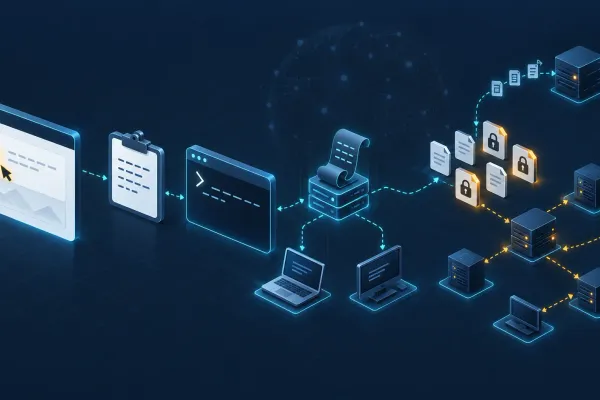 Uncovering CRPx0 ClickFix campaign and Python-based RansomwareCRPx0 has published 47 victims since July 2026. Inside its ClickFix campaign: a fake CAPTCHA, a cross-platform Python loader, and domain-wide encryption.13 min read
 Annual DR Testing vs Continuous Recovery Validation: Why One Test a Year Is Not EnoughA passing annual DR test proves one restore worked on one date, not that today's recovery point is clean. See why continuous validation closes that gap.8 min readEDR, SIEM, CNAPP, and Immutable Backups: The Ransomware Recovery Gap They LeaveEDR, SIEM, CNAPP, and immutable backups all stop at the backup boundary. None verify a recovery point is clean before restore. NIST RC.RP-03 names the gap.5 min read
 What Is Ransomware Recovery Attestation? An Elastio Framework for Documenting a Clean Restore PointA recovery attestation is dated, asset-level proof a recovery point passed content-integrity inspection and restore testing. See what it contains and why.7 min readThe 2026 DBIR Makes Recovery Your Ransomware Plan. Can You Prove It Works?The 2026 DBIR shows 69% of ransomware victims refused to pay. That makes recovery the plan. Can you prove your last clean, restorable recovery point exists?5 min read
 PCI DSS 4.0, Ransomware, and the Recovery Question It Leaves OpenPCI DSS 4.0 tells you to protect cardholder data, not to prove you can restore the CDE clean after ransomware. That recovery gap stays invisible until an incident.5 min read
 When Ransomware Can Turn Off Your EDR, Your Backups Need Their Own DetectionRansomware crews now sell EDR-killer toolkits that blind endpoint sensors before encryption. Learn why your backups need independent recovery-point detection.5 min read
 Patching Is Not Remediation. CISA Just Made That Federal PolicyCISA's new BOD 26-04 requires proving a system wasn't already compromised before you patch it. Patching is no longer remediation. What it means for enterprises.7 min read
Earlier posts
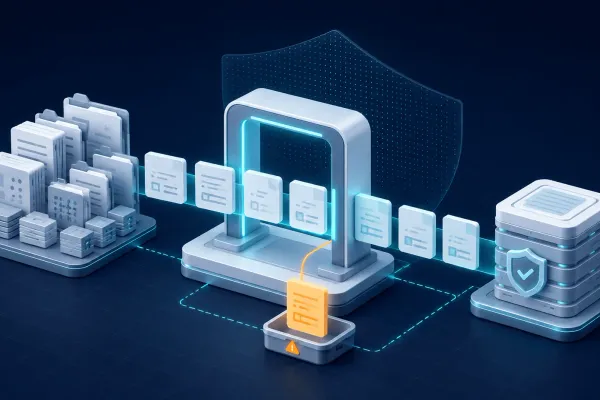 Elastio Data Classification: Sensitive Data FindingsElastio now flags regulated data found out of place across protected assets, with file-level evidence and auditable findings.3 min read
 The SEC Clock Starts When You Decide The Incident Is Material. Can You Make That Call?The SEC's four-business-day clock starts when you judge an incident material, not when you detect it. And you can't that call without recovery evidence.5 min read
 What CMMC Does Not Say About Recovering From RansomwareA CMMC certificate proves you keep CUI confidential, not that you can recover it after ransomware. See the recovery evidence the standard never asks for.5 min read
 Mapping Ransomware Recovery to NIST CSF 2.0Map a ransomware recovery program to NIST CSF 2.0 across all six functions, and prove each one with evidence you can produce on demand, not just backups.5 min read
 What NIS2 Expects You to Prove About RecoveryNIS2 makes recovery a legal duty with a 72-hour reporting clock. Here's what it actually requires you to prove, and the one artifact a green dashboard can't give you.6 min read
 What Is Cyberstorage? A Definition for Ransomware-Era StorageCyberstorage is storage that inspects the data it holds for ransomware and unauthorized encryption, then proves which copy is clean enough to restore.7 min read
 7 Questions Every CEO Should Ask the CIO Before Trusting the Cyber Recovery PlanSeven questions a CEO can ask the CIO to expose where the cyber recovery plan is rehearsed and where it is theory. No technical prep required.9 min read
 GuardDuty Malware Scanning for S3: What It Does and the Recovery Gap It LeavesGuardDuty Malware Protection for S3 scans uploads, not restores. See what it covers, the quotas that limit it, and the recovery verdict it doesn't produce.8 min read
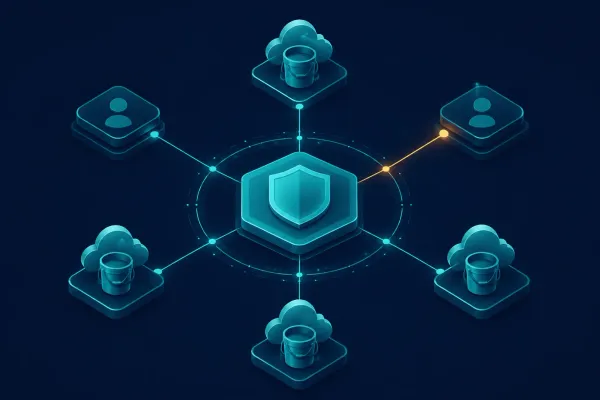 Scaling the Elastio x AWS GuardDuty integration: hub-and-spoke for multi-account AWSHow the Elastio + AWS GuardDuty integration moved from per-account wiring to a hub-and-spoke topology that fans in findings across hundreds of accounts and regions.8 min read
 5 Questions Hospital CISOs Should Ask Before the Next HHS or Joint Commission AuditFive healthcare-specific questions hospital CISOs should answer before the next HHS, OCR, CMS, or Joint Commission audit, with the evidence each one requires to prove clinical continuity and ransomware recovery readiness.10 min read
 7 Questions the Board Should Ask Before Signing the Next Storage or Backup RenewalSeven questions the board should ask before signing the next storage or backup renewal: clean recovery point evidence, content inspection, isolation, and audit-ready artifacts for SEC, DORA, and NYDFS.9 min read
 8 Backup Realities Modern Ransomware Has BrokenModern ransomware has broken old backup assumptions. Learn why immutability, air gaps, EDR, retention, and successful job reports no longer prove a clean recovery point.12 min read
 Unlocking the Power of Cloud Transformation with AWS and ElastioHow AWS and Elastio combine cloud migration speed with provable ransomware recovery and compliance-ready backup validation — so you can prove clean recovery, not just claim it.4 min read
 When the Attacker Finds the Flaws First: Why Resilience Just Became MandatoryWhen AI makes zero-days cheap and DORA makes resilience supervised, the defensible answer is a last-known-clean recovery point you can prove to a board.10 min readRestore or Rebuild After Ransomware? A Recovery Decision FrameworkA decision framework for ransomware recovery: when to restore, when to rebuild, and the evidence your team needs before reconnecting to production.7 min read
 Ransomware Recovery Starts With a Provable Clean Recovery PointA green backup isn't a recovery decision. Learn how to identify a provable clean recovery point and rebuild ransomware runbooks around data integrity.6 min read
 RPO Is Not Enough for Ransomware RecoveryRPO measures backup frequency, not safety. Learn why clean recovery point age — the age of the last proven clean backup — is the metric ransomware demands.7 min read
 Using CyberSense? Validate Recovery Data Before It Reaches the VaultElastio extends CyberSense with pre-vault inspection and cloud-native ransomware detection beyond Dell DDVE across hybrid environments.13 min readTo What Extent Do Cybersecurity Breaches Impact the Stock Prices of Public Corporations?Elastio intern Malavika Sabith shares research into how the disclosure of cybersecurity breaches impacts company stock prices.4 min read
 Project Glasswing: What Zero-Day Discovery at Scale Means for Your DataAnthropic Mythos found thousands of zero-days. Your security stack does not inspect where the damage lands. Here is why that matters.5 min read
 Elastio Delivers Zero-Day Ransomware Detection and Provable Recovery for IBM Cloud Object StorageElastio brings zero-day ransomware detection and provable recovery to IBM Cloud Object Storage, helping enterprises identify compromised data, verify clean recovery points, and restore with confidence.2 min read
 DORA: What CISOs Must Prove About Recovery in 2026What does DORA require for backup and recovery? Articles 11 and 12 mandate provable recovery under cyberattack scenarios.15 min read
 Bypass Techniques Are Mainstream - And That Should Concern EveryoneBypass techniques are now mainstream, lowering barriers for attackers and forcing organizations to rethink security beyond prevention.5 min read
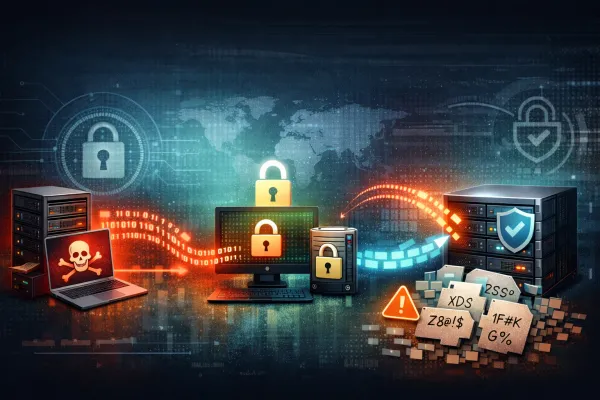 Ransomware's Return to EncryptionData-theft-only attacks were supposed to be the future. Victims stopped paying. Now ransomware groups are going back to encryption — and defenses need to evolve with them.4 min readElastio & NetApp Webinar Recap: Why Cyber Risk Spikes During DisastersLearn why cyber risk increases during disasters and how NetApp and Elastio help organizations design resilient recovery strategies.6 min readWhat Happens When Attackers Encrypt Your Data Off Platform?Ransomware uses off-platform encryption to evade controls but encrypted data can’t hide. Elastio detects corruption by analyzing the data itself.3 min read
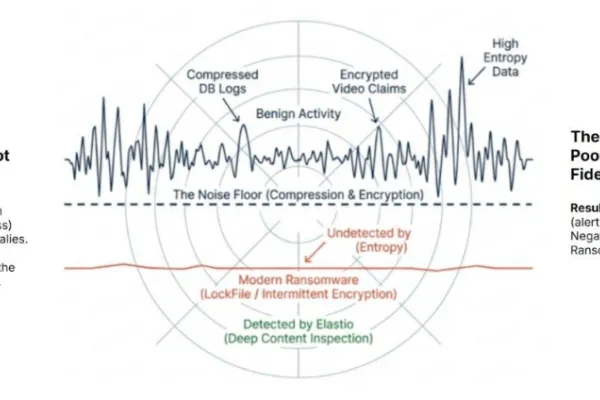 The Accuracy Gap: Why Anomaly and Entropy Detection Fail the Ransomware Resilience LifecycleAnomaly and entropy tools can't distinguish ransomware from a .zip file. A CISO's case for data integrity validation over statistical inference.4 min read
 What Incident Response Teams See After Cloud RansomwareIncident responders often find cloud backups intact after ransomware—but can’t prove which recovery point is clean. Immutability isn’t integrity; certainty is recovery.5 min read
 CMORG: Data Vaulting Requires Integrity ChecksCMORG’s data vaulting guidance makes integrity validation a core requirement - immutability alone can preserve corrupted data and undermine recovery.4 min read
 The 333% Surge in "Hunter-Killer" MalwareHunter-killer malware is dismantling EDR stacks. Learn how to close the data integrity gap and eliminate recovery blind spots in regulated industries.2 min readWhy Cloud-Native Architectures Are Not Inherently Safe from RansomwareCloud-native architectures prioritize availability over data integrity, which is why they are not inherently safe from ransomware attacks.9 min read
 Elastio and AWS on Modern Ransomware: Why Recovery Is Now the TargetLearn how modern ransomware sabotages recovery, why backup validation matters, and how Elastio and AWS enable provable, clean recovery points.4 min read
 Understanding the DPRK Cyber Threat in 2026: What Organizations Need to KnowLearn how DPRK cyber actors are evolving in 2026—from QR code phishing to espionage and cybercrime—and what organizations must do to reduce risk.3 min read
 By the Time You See Ransomware, Your Backups May Already Be CompromisedRansomware doesn’t win by hacking—it wins when recovery fails. Learn how attackers sabotage backups and why resilience beats ransom payments.2 min read
 Elastio × AWS GuardDuty — Automated scans triggered by GuardDuty malware findingsElastio integrates with AWS GuardDuty to trigger automated recovery data integrity scans, detecting ransomware encryption and identifying safe restore points.7 min read
 Introducing Elastio for Amazon FSx for NetApp ONTAP FilersProtect AI datasets and FSxN storage from silent corruption. Elastio verifies SnapMirror replicas and AWS Backups to ensure clean, provable recovery.4 min read
 Introducing Elastio’s Quarantine Workflow for AWS Logically Air-Gapped VaultsElastio's new Quarantine Workflow for AWS Logically Air-Gapped Vaults stops ransomware before it enters your immutable archive.4 min read
 The Blind Spot of Zero TrustHunting and Defeating EDR-Evading Threats and Machine-Identity Attacks4 min read
 Unmasking the Invisible: Defeating EDR-Evasive AttacksWhen Machines Become Identities: The Blind Spot Undermining Zero Trust and How Data Resilience Closes the Gap5 min read
 Extending the Power of Amazon GuardDuty with ElastioScan Backups with Amazon GuardDuty Malware Protection for AWS Backup and How Elastio Turns Detection Into Ransomware Readiness2 min read
 Ransomware Isn’t a Malware Problem Anymore - It’s a Data Integrity ProblemModern ransomware deletes its tracks, leaving only encrypted data behind. Learn why malware scans miss the real threat, and what detects it.2 min read
 Elastio Launches Managed Provable Recovery ServiceProvable recovery is now essential for every enterprise | Elastio's Managed Provable Recovery Service guarantees recovery3 min read
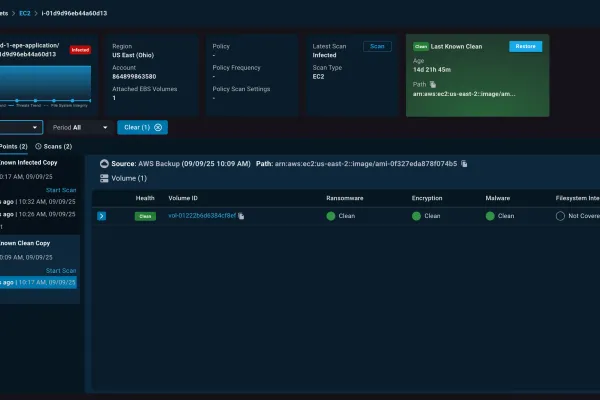 Why Acting Now on Ransomware Resilience Is ImperativeCyberSecurity Awareness: Elastio Ransomware Resilience - Act Now for Detection, Prevention, and Recovery3 min readPrevention Alone Doesn’t Equal ResilienceRansomware Readiness: Prevention Alone Doesn’t Equal Resilience3 min read
 Your Backups Aren’t Safe: Why Malware Scans Miss the Real ThreatGartner warns that malware detection alone can’t ensure recovery. Learn why provable recovery is now essential for ransomware resilience.2 min read
 Inside the Fight Against Cybercrime: A Deep Dive Into Ransomware TacticsCyberSecurity Awareness Month: Elastio Ransomware Detection, Prevention, and Recovery3 min readElastio Makes Cyber Recovery Compliance Simple with Audit DashboardsElastio Makes Cyber Recovery Compliance Simple with Audit Dashboards3 min read
 Five Questions Every CISO Must Ask to Strengthen Ransomware ResilienceFive Questions Every CISO Must Ask to Strengthen Ransomware Resilience and Recovery in 20263 min read
 Elastio MCP Server Redefines Cyber Resiliency with Agentic, Provable Recovery ControlElastio MCP Server Redefines Cyber Resiliency with Agentic, Provable Recovery Control2 min read
 The Hidden Risk: Why Malware Scanning Fails Against RansomwareThe Hidden Risk: Why traditional malware scanning can’t detect ransomware in backups—and what it takes to ensure true recovery.4 min read
 Ransomware’s Rising Toll: Why Resilience Matters More Than EverElastio Cyber Resilience Council Member, Matt O'Neil, shares his perspective on why ransom payments have been going down6 min read
 Ransomware Recovery in AWS: Why “Having Backups” Is No Longer EnoughRansomware Recovery in AWS: Why “Having Backups” Is No Longer Enough and How to Prove Recovery6 min read
 Regulations Now Demand Proof You Can Recover – Are You Ready? Lessons from RKON & ElastioWhen it comes to ransomware, the question is no longer “if” but “when.” At a4 min read
 Prove You Can Recover from Ransomware: Automated Backup Validation for VMware Cloud Foundation with IBM, Veeam, & ElastioIn an era where ransomware attacks are increasingly targeting backup infrastructure, relying on untested recovery1 min read
 Strengthening Cyber Resilience Through Partnership: AWS & ElastioAs cyber threats become increasingly sophisticated and regulatory demands intensify, organizations must evolve their data1 min readThe Data Protection Trinity: IBM Cloud VCF, Veeam, and ElastioIn today’s hybrid cloud environments, data protection is more than just backup—it’s about resilience, security,1 min readReinforcing Resilience: The Rise of Cyber Vaulting in Ransomware RecoveryRansomware attacks are accelerating exponentially, with global damages projected to reach $57 billion annually by1 min read
 Ransomware Resilience for Cloud-First EnterprisesWhy Proven Recoverability from Elastio is the New Cyber Imperative. The shift to the cloud has brought.3 min read
 Elastio and RKON Partner to Deliver Ransomware Recovery Assurance at ScaleRansomware recovery is no longer just a tech problem—it’s a business imperative. As attacks grow1 min read
 Ransomware Recovery You Can Trust – AWS DRS & Elastio Team Up for Clean, Confident RestoresWhen ransomware hits, your fail-over environment is your last line of defense—but what if they’re1 min read
 Elastio and Cloud Elemental Partner to Deliver Ransomware Recovery Assurance for Cloud-First EnterprisesIn an increasingly cloud-first world, ransomware is no longer a distant threat—it’s an ever-present risk.1 min read
 Elastio Extends Expert Scanning to Veeam Backups on Microsoft AzureThis milestone extends Elastio’s Data Integrity Layer to one of the most widely adopted backup1 min read
 Elastio and Atayo Partner to Deliver Ransomware Recovery Assurance for Resilient Cloud ArchitecturesIn today’s rapidly evolving digital landscape, the cloud has become the backbone of enterprise infrastructure,1 min read
 Introducing the Elastio MCP Server Deeper AI Insights, Stronger Ransomware ResilienceElastio, the pioneer of agentless ransomware recovery assurance, is proud to announce the release of3 min read
 Provable Resilience: The Ransomware Control M&S Didn’t HaveIn April 2025, British retail giant Marks & Spencer (M&S) fell victim to a sophisticated6 min read
 Introducing the Advance2000 Ransomware Recovery Assurance Platform—Powered by ElastioRansomware is no longer a matter of if but when. Today’s attacks are stealthier and1 min read
 Elastio Achieves AWS Deployment Status, Easing Marketplace ProcurementExplore Elastio on AWS Marketplace We’re excited that Elastio has been awarded the “Deployed on2 min read
 Raising the Bar for AWS Data Resilience – Elastio and Aligned TG Partner to Deliver Ransomware Recovery AssuranceRaising the Bar for AWS Data Resilience: Elastio and Aligned TG Partner to Deliver Ransomware1 min read
 Availability in the Age of Ransomware – Why Detection Isn’t EnoughJoin our upcoming webinar on Thursday, May 15th to learn how AWS and Elastio1 min read
 What Is Recovery Assurance?And Why It’s Critical in Today’s Ransomware-Filled World In cybersecurity, prevention gets most of2 min read
 Introducing a New Era of Clean Recovery – AWS DRS + Elastio PlatformTraditional disaster recovery can no longer keep up with modern ransomware. Today’s attacks often lurk undetected, silently encrypting data before striking, leaving even your backups compromised. That’s why Elastio has teamed up with AWS Elastic Disaster Recovery (AWS DRS) to deliver a ransomware mitigation and recovery solution designed for today’s evolving threat landscape.1 min read
 When Prevention Fails, Recovery Becomes the Real TestRestore testing proves backups work — it doesn't prove they're clean. Why recovery assurance is essential when ransomware silently infiltrates backups.3 min read
 How to Build a Sheltered Harbor-Compliant Data Vault on AWSIn today’s threat landscape, financial institutions must go beyond traditional disaster recovery strategies to ensure their most critical data's integrity, availability, and survivability. Sheltered Harbor—a nonprofit industry initiative—has established standards for protecting customer account data in the event of a major cyberattack or operational disruption. At the core of these standards is the requirement for a secure, immutable, and isolated data vault (DV) that can be used to restore customer data even if all other recovery mechanisms fail.2 min read
 Enhancing Financial Cybersecurity: Aligning Elastio's Ransomware Recovery Assurance with NYDFS Section 500.16 and DORA ComplianceIn an era where cyber threats are escalating in frequency and sophistication, financial institutions are under immense pressure to fortify their digital defenses. Regulatory frameworks such as the New York Department of Financial Services (NYDFS) Cybersecurity Regulation and the European Union's Digital Operational Resilience Act (DORA) have been established to ensure financial entities maintain robust cybersecurity measures.4 min read
 Elastio and JetSweep Team Up to Redefine Ransomware Resilience & Disaster RecoveryIn today’s threat landscape, recovery is everything. That’s why we’re excited to announce a powerful new partnership between Elastio, the leader in ransomware recovery assurance, and JetSweep, a premier Disaster Recovery as a Service (DRaaS) provider on AWS.1 min read
 How JetSweep and Elastio Saved a SaaS Company from a Stealthy Ransomware AttackJetSweep, an AWS consulting partner, received an urgent call from AWS. A SaaS company had fallen victim to a sophisticated ransomware attack that had encrypted critical business data, leaving operations completely paralyzed. With no access to their systems, the company faced customer disruptions, potential SLA violations, and long-term reputational damage.2 min read
 Traditional Disaster Recovery Won't Save You from Ransomware — Here's What WillRansomware attacks are increasing in both frequency and sophistication, posing a significant threat to businesses worldwide. As a result, IT and Operations (I&O) leaders are strengthening their protection, detection, and response strategies. However, many are discovering that their existing disaster recovery (DR) and business continuity plans are not enough to handle ransomware.5 min read
 Elastio Joins Veeam Infused Program to Deliver Unmatched Ransomware Recovery AssuranceElastio joins Veeam Infused Program, delivering unmatched ransomware recovery with continuous backup validation and early threat detection for secure data.2 min read
 Cyber Recovery Strategies for Financial ServicesFinancial services face relentless cyberattacks. Elastio and AWS secure sensitive data with cyber vaults and proactive integrity checks for rapid recovery.7 min read
 Series Introduction: Understanding the Ransomware Protection StackBusinesses face an ever-growing array of cybersecurity threats and tools (EDR, XDR, CNAPPs, immutable backups). Yet gaps remain, especially in ensuring swift, reliable data recovery post-attack. This blog series explains how CNAPPs (like Wiz, Palo Alto Prisma Cloud, Lacework) prevent breaches, while the Elastio Platform closes the recovery gap—continuously validating backups to guarantee ransomware-free restores. Together, they provide a complete defense against modern ransomware threats.4 min read
 Elastio Partners with Magna5 to Deliver Resilient Ransomware Recovery Solutions for Business OrganizationsElastio partners with Magna5 to deliver resilient ransomware recovery. Advanced threat detection ensures clean backups for rapid, reliable business recovery.3 min read
 Cyber Resilience for Financial Services: Availability in the Age of RansomwareJoin AWS Backup, AWS DRS, NetApp, and Elastio Ransomware Recovery Assurance on April 29, 2025, at Amazon’s London office for a deep dive into cyber-resilient architectures. Learn how bunker vaults offer secure, immutable storage—and how Elastio proactively validates backups against hidden ransomware. Hear from Sheltered Harbor on compliance and real-world best practices to protect critical financial systems.1 min readBest Practices for Ransomware-Resilient Disaster RecoveryBunker vaults secure backups but don’t ensure they’re clean. Elastio’s proactive validation ensures AWS backups remain recoverable from hidden threats.4 min read
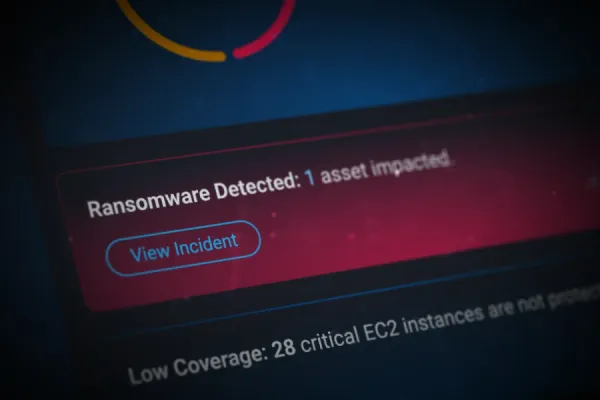 Three Clicks to Ransomware RecoveryWhen ransomware hits, security teams are under immense pressure to contain the damage quickly, find the source, and restore operations. With critical systems locked down and business grinding to a halt, every second counts. At the same time, leadership wants answers. How bad is it? What’s impacted? How soon can we recover? It’s a high-stakes, high-stress situation in which having the right tools can mean the difference between a rapid recovery and a prolonged crisis.5 min read
 Strengthening Healthcare Cybersecurity: How Elastio Supports the New HIPAA Security Rule UpdatesThe U.S. Department of Health and Human Services (HHS) has proposed significant updates to the Health Insurance Portability and Accountability Act (HIPAA) Security Rule in response to escalating cyber threats. These proposed changes aim to enhance the protection of electronic protected health information (ePHI) and ensure healthcare organizations are better equipped to handle modern cybersecurity challenges. Elastio, with its advanced ransomware protection solutions, is well-positioned to support healthcare entities in aligning with these new recommendations.3 min read
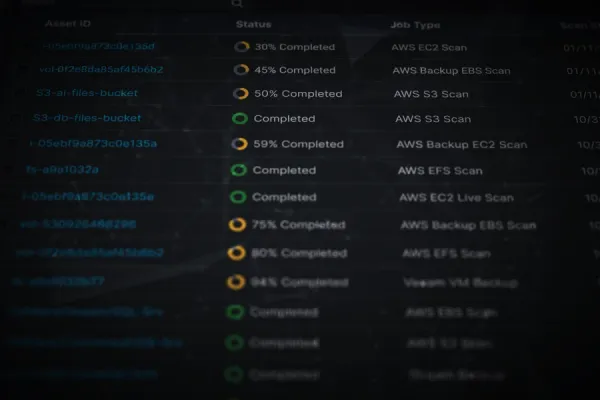 Ransomware Has Evolved – Detection Methods Must TooRansomware attacks continue to bypass traditional security layers, including endpoint detection and server-based defenses. Businesses are adding data-layer detection as an extra safeguard against ransomware. However, a problem exists: most of these solutions do not work. Most solutions rely on anomaly detection, which is no longer an effective approach.4 min read
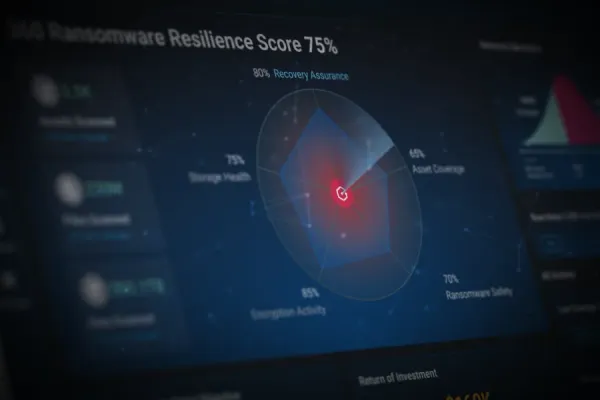
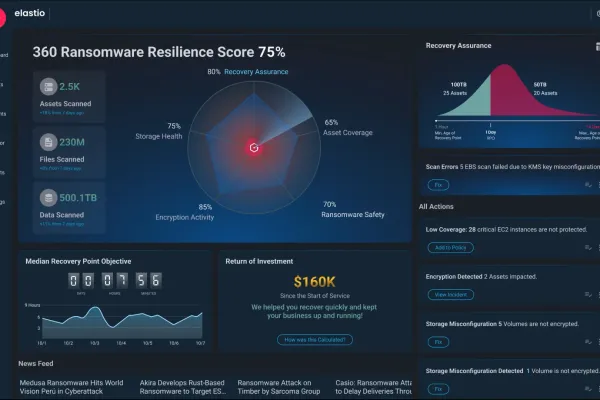 Introducing Elastio Platform 360 Ransomware Resilience User InterfaceElastio Ransomware Recovery Assurance Platform is excited to unveil its new Elastio Platform 360 Resilience User Interface (UI), an innovation that empowers businesses with unprecedented visibility into their ransomware resilience posture. This comprehensive interface provides actionable intelligence to identify threats, enhance defenses, and ensure clean, reliable recovery from one unified platform. Bringing Hidden Risks into Clear View Ransomware recovery is only as strong as your weakest link; without visibility, those weaknesses remain hidden until it’s too late. Elastio Platform 360 Resilience UI is designed to illuminate key dimensions of your data security and recovery environment, transforming resilience from an abstract concept into a measurable, actionable framework.2 min read
 Protecting Your Data from S3-Level Ransomware Attacks: Lessons and Best PracticesIntroduction A recent ransomware campaign has emerged, targeting Amazon Web Services (AWS) Simple Storage Service3 min read
 Elastio Secures an Auto Insurance Firm’s Ransomware Recovery StrategyRansomware recovery shouldn’t be a guessing game. For an auto insurance firm dedicated to protecting1 min read
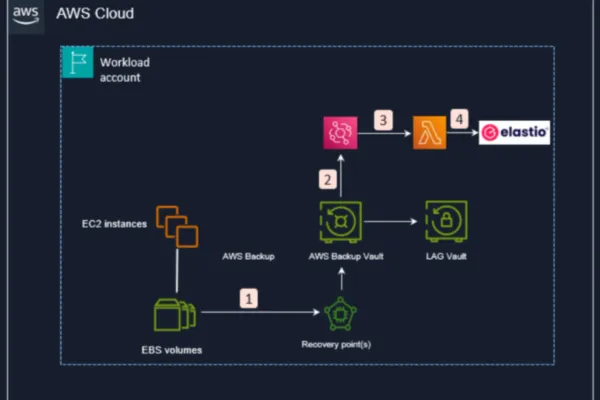 Building Ransomware Resilience with Elastio and AWS Backup Logically Air-Gapped VaultBy Eswar Nalamaru, Product Manager – Elastio, and Sabith Venkitachalapathy, Solutions Architect – AWS Data9 min read
 Securing Amazon S3 Data Against Ransomware AttacksYour S3 data is vulnerable to ransomware attacks Amazon S3 is a popular choice for2 min read
 Elastio Awarded AWS Security CompetencyElastio achieves AWS Security Competency, strengthening ransomware defense for AWS backups and environments. Get started via AWS Marketplace to stay resilient.1 min read
 Responding to a Ransomware Attack: Clean Recovery Options are CriticalRansomware attacks are a numbers game involving a constant barrage of attempts until one inevitably breaches the defenses. It is critical to have a robust response plan that includes clean and uncompromised backups3 min readThe last defense against ransomware? Clean, uncompromised, and recoverable data.Learn to protect EKS clusters from evolving ransomware threats, ensuring operational continuity and safeguarding their data.3 min read
 Safeguarding EKS Clusters Against RansomwareAmazon EKS clusters risk ransomware on EBS and S3. Advanced LD_PRELOAD methods bypass EDR/XDR. Elastio ensures clean, recoverable data.3 min read
 Securing Your MSP: Elastio's True Ransomware Detection Assures Rapid, Reliable RecoveryElastio’s true ransomware detection secures MSP data with clean, reliable backups, safeguarding customer information and ensuring rapid recovery.2 min read
 Why You Need a Ransomware Focused Backup Strategy for the CloudWhile vendors like AWS provide tools for increasing your security posture, protecting against ransomware requires3 min read
 Beyond EndPoint Solutions for Effective Protection Against Modern Ransomware AttacksEffective security isn't an 'either/or' choice. While strong endpoint detection and response (EDR/XDR) perimeter defenses are crucial for blocking initial attacks, Elastio serves as an essential layer of defense for safeguarding critical enterprise data.5 min read
 Elastio Expands Integration with AWS Security Hub and AWS Backup to Strengthen Defense Against Ransomware AttacksElastio’s expanded integrations with AWS Security Hub and AWS Backup fortify AWS workloads against ransomware, scanning backups for threats and centralizing alerts to ensure data integrity. Deployed entirely within each customer’s Amazon VPC, Elastio preserves full control over data and keys, enabling fast, reliable recoveries.2 min read
 Ransomware is a Board-Level Issue – Here's WhyCompanies that navigate cyberattacks successfully are those with boards that have thought through and readied themselves for the entire attack lifecycle.4 min read
 City of Dallas Ransomware Incident ReportITS Risk Management, Security and Compliance Services Report, Sep. 2023 Synopsis The following is my3 min read
 The 5 Myths of Ransomware ProtectionRansomware attacks constitute a business pandemic, breaching even the most secure cloud environments. Data, a5 min read
 Using Elastio To Protect Our SaaS Application – A Proof Of ConceptDevOps teams are increasingly responsible for software as a service (SaaS) decisions to solve specific3 min read
 Five Reasons Endpoint Agents Do Not Offer Enough Protection on AWSSecurity and operations have always relied on agents for threat detection, backups, vulnerability analysis, and5 min read
 Five Reasons to Enhance Amazon EBS SnapshotsMany companies rely on Amazon EBS snapshots for backup and disaster recovery, but despite their3 min read
 How Elastio Protects Your Data In Streaming ArchitecturesAmazon Managed Streaming for Apache Kafka (MSK) is a popular distributed event store and stream-processing4 min read
No posts match your search.
Showing 116 of 116 posts
Recovery posture
Reading about the gap is one thing. Seeing it in your own estate is another. Elastio analyzes from outside the attack path and returns evidence you can defend to your board.
Request a demo
Tell us who you are and we reach out to schedule the session.